
Views: 0 Author: Site Editor Publish Time: 2026-04-06 Origin: Site


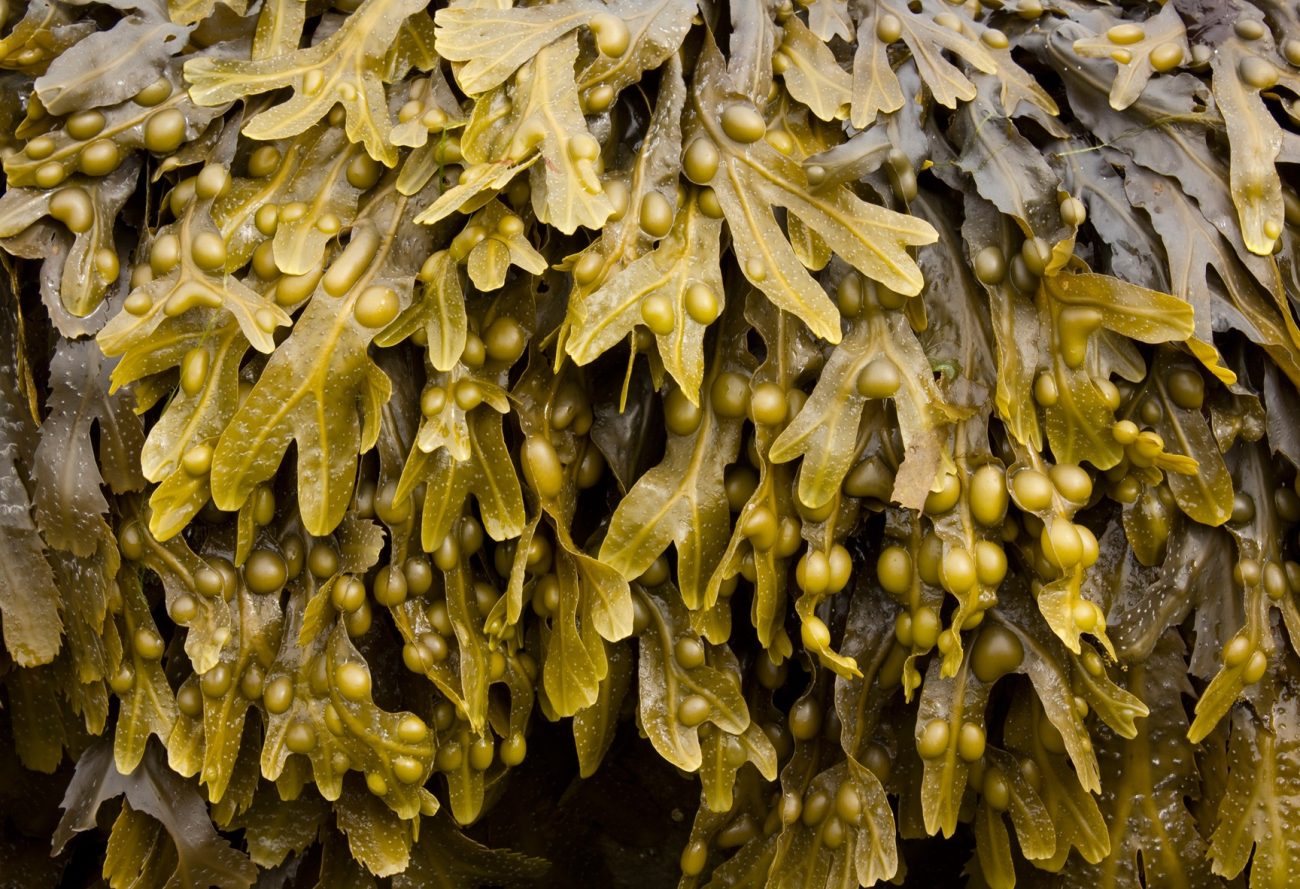
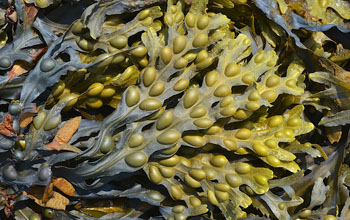
Think of a seaweed that carries its own air balloons. That is bladderwrack. Those little bladders keep it floating near the surface, soaking up sunlight and minerals from cold, clean northern waters. For centuries, coastal communities gathered this brown algae—not just for food, but for its hidden chemical treasure. Today, that ancient knowledge meets modern quality control. The result? A standardized iodine powder extract with three precise grades, batch‑to‑batch consistency, and full traceability.
No guesswork. No "maybe this batch has enough iodine." Just predictable, tested ingredients for product developers and health‑conscious individuals alike.
What Is Actually Inside the Powder?
The whole seaweed is dried and gently processed into a fine powder. It retains not only iodine but also a complex matrix of bioactive compounds. Here are the typical ranges, based on peer‑reviewed literature (Catarino et al., Marine Drugs, 2018):
| Component | Content (dry weight) | Role |
|---|---|---|
| Iodine (standardized) | 0.1%–0.3% (1,000–3,000 µg/g) | Essential for thyroid hormone synthesis |
| Fucoidan | 3.4% – 25.7% | Sulfated polysaccharide; antioxidant, immune‑modulating |
| Alginic acid | 8.4% – 58.8% | Soluble fiber; forms protective gel in the gut |
| Fucoxanthin | 340 – 730 mg/kg | Carotenoid studied for metabolic support |
| Dietary fiber | 25% – 35% | Supports satiety and regular transit |
| Minerals (K, Ca, Mg, Fe) | variable | Electrolyte and trace element support |
Choosing the right grade is like picking the right spice amount. Too little? No effect. Too much? Unpleasant. Standardization removes the guesswork.
| Grade | Iodine per gram | Fucoidan richness | Best for |
|---|---|---|---|
| 0.1% | 1,000 µg | Moderate | Culinary use, flexible daily dosing, low‑concentration blends |
| 0.2% | 2,000 µg | Balanced | Capsules, tablets, thyroid‑support supplements |
| 0.3% | 3,000 µg | Higher (correlated with iodine) | High‑potency capsules, immune formulas, R&D prototypes |
Higher iodine grades generally contain more fucoidan and fucoxanthin because both accumulate under similar marine growth conditions. This synergy is what makes the whole extract more valuable than isolated iodine.
Capsules that don't need a horse-pill size
With the 0.2% grade, a standard 150 mg capsule delivers about 300 µg of iodine. That fits comfortably under conservative daily limits (see safety section). The powder compresses cleanly – no strange clumping.
High‑potency formulas
Need a small capsule but a strong dose? The 0.3% grade cuts the required powder volume by one‑third. Perfect for multi‑ingredient blends where space is tight.
Liquid drops without the alcohol burn
The extract dissolves well in glycerin or water. No ethanol needed. Consumers who avoid alcohol appreciate that.
Clinical research shows that Haematococcus Pluvialis Extract supports healthy blood circulation, reduces oxidative stress on blood vessels, and helps maintain balanced cholesterol levels. These properties make it ideal for Cardiovascular Health Support, especially for aging populations and high-stress lifestyles.
Add 0.5–1% of the 0.1% grade to broth bases, seasoning mixes, or protein bars. The umami depth comes naturally from glutamic acid in the seaweed. No artificial flavors required.
The morning pinch
Take a small dash of the 0.1% grade – roughly 100–200 mg (about 1/16 to 1/8 teaspoon) – and stir into warm water, soup, or a smoothie. That provides 100–200 µg of iodine, well within daily needs.
Cooking with precision
Example recipe: Add 0.5 g of 0.1% grade powder to 500 ml of chicken or vegetable broth. Simmer for 10 minutes. The result? A rich, umami‑enhanced base with about 500 µg of iodine for the whole pot (roughly 125 µg per serving). Soaking the powder in cold water for 15 minutes before use reduces iodine by 30–60% if a lower dose is desired.
Homemade umami sprinkle
Mix the 0.1% powder with sesame seeds, sea salt, and a little citrus zest. Use a quarter teaspoon on roasted vegetables, rice, or avocado toast. Not fishy. Just savory.
Travel or post‑workout
Add 0.2% grade powder (50–100 mg) to an electrolyte drink or protein shake. The alginates form a soft gel in the stomach – some people find that helps with satiety.
Let's be honest: many lab studies, fewer human trials. But the patterns are solid, and some research is quite convincing.
Thyroid support–Iodine is the raw material for thyroid hormones
For someone with low iodine intake, small, regular amounts of bladderwrack help maintain normal thyroid function. However – and this is a big however – for people with hyperthyroidism, Hashimoto's thyroiditis, or unknown thyroid nodules, extra iodine can backfire. That is why this extract is not for everyone.
Immune modulation – human trial
A randomized, double‑blind, placebo‑controlled trial in elderly Japanese subjects found that daily fucoidan supplementation significantly increased antibody responses to the seasonal flu vaccine. Natural killer cell activity also rose. The vaccine‑specific antibody titers were markedly higher in the fucoidan group compared to placebo. This suggests potential immune‑supportive properties, though more research is needed.
Digestive comfort - Alginic acid forms a floating gel when it hits stomach acid. That gel acts like a protective raft. Over‑the‑counter antireflux products (e.g., Gaviscon) use the same alginate technology. Traditional herbalists reached for bladderwrack after heavy meals for good reason.
Antioxidant and anti‑inflammatory - Fucoidan and phlorotannins scavenge free radicals in laboratory models. Human studies on whole seaweeds show modest improvements in oxidative stress markers when consumed regularly as part of a balanced diet.
Metabolism and weight - Animal studies show that fucoidan prevents high‑fat diet‑induced obesity in mice by suppressing fat accumulation and reducing expression of obesity‑related genes. But no high‑quality human trial has confirmed direct weight loss effects. The fiber can help with fullness, so think of it as a helper, not a hero.
Cholesterol - Some seaweed intervention trials report small (5–10%) reductions in LDL cholesterol. The alginates bind bile acids, nudging the liver to pull more cholesterol from the blood.
Menstrual cycle modulation – a case report
A small study on three pre‑menopausal women with irregular cycles found that daily bladderwrack supplementation (700–1400 mg) extended cycle length by 5.5 to 14 days. Hormone testing in one subject showed a dose‑dependent reduction in estradiol and an increase in progesterone. This is intriguing but far from conclusive – more research is needed.
Daily targets
- Basic adult requirement: ~150 µg/day
- Tolerable upper intake level (UL): 1,100 µg/day
- Conservative upper limit for bladderwrack products: 400 µg/day (to account for individual sensitivity, especially in people with subclinical thyroid autoimmunity)
Absolute contraindications (do not use without medical supervision)
- Hyperthyroidism (overactive thyroid)
- Hashimoto’s thyroiditis (autoimmune hypothyroidism) – even if currently on thyroid medication
- Thyroid nodules of unknown cause (unless proven benign and iodine‑tolerant by a doctor)
- Use of anticoagulants (warfarin, DOACs, high‑dose aspirin) – fucoidan has mild blood‑thinning effects; separate by at least 4 hours or avoid
- Use of lithium or amiodarone
- Pregnancy and breastfeeding (safety data insufficient; better to avoid)
Interaction mechanism
Fucoidan activates antithrombin III and heparin cofactor II, similar to low‑molecular‑weight heparin. While the effect is mild, concurrent use with prescription blood thinners increases bleeding risk.
| Feature | Bladderwrack (Fucus vesiculosus) | Kelp (Laminaria / Saccharina) | Spirulina (cyanobacteria) |
|---|---|---|---|
| Iodine stability | High (standardized grades) | Low (natural fluctuation 10‑fold) | Very low |
| Fucoidan content | 3.4–25.7% | 1–5% | None |
| Alginic acid | 8.4–58.8% | 15–30% | None |
| Primary use | Thyroid, immune, digestive | General mineral supplement | Protein, antioxidants |
| Regulatory status | EFSA monograph, FDA GRAS | Generally recognized | Generally recognized |
Bladderwrack's advantage lies in the combination of high, stable iodine and significant fucoidan levels. Kelp may be cheaper, but its iodine fluctuates wildly – a risk for formulators. Spirulina is a different category altogether.
One Last Thought
Bladderwrack extract powder is not a miracle. It is a well‑characterized, standardized marine ingredient that does one thing reliably: delivers a predictable amount of iodine alongside a natural matrix of fibers and polyphenols. Whether you are developing a supplement line, formulating a functional food, or just someone who wants a traceable mineral source – the three grades give you control.
Control is what separates modern ingredients from old-fashioned guesswork.


