
Views: 0 Author: Site Editor Publish Time: 2025-12-18 Origin: Site


Imagine you're on a journey to improve your health—maybe you want to lose weight, ease persistent constipation, or simply feel more energetic. Somewhere along the way, you've probably heard about inulin, a natural dietary fiber that's gaining traction as a health booster. But what exactly is inulin, why is everyone talking about it, and could it be the missing piece in your wellness puzzle?
In this article, we'll explore the fascinating world of inulin, its many benefits & side effects, how it's used in supplements and foods, and why its source from artichokes matters. We'll also dive into how inulin affects your body's metabolism—specifically carbohydrate, protein, and fat metabolism—and take a look at the booming market of inulin worldwide.
Inulin is a naturally occurring fiber found in various plants, including chicory root, garlic, onions, and notably, artichokes. Unlike many fibers that simply pass through your digestive system, inulin acts as a prebiotic, feeding the beneficial bacteria in your gut and promoting a healthy microbiome.
One reason artichokes are prized as an inulin source is their high concentration and purity, making them an ideal base for dietary supplements. The extraction process ensures you get a potent form of inulin that can provide maximum health benefits.
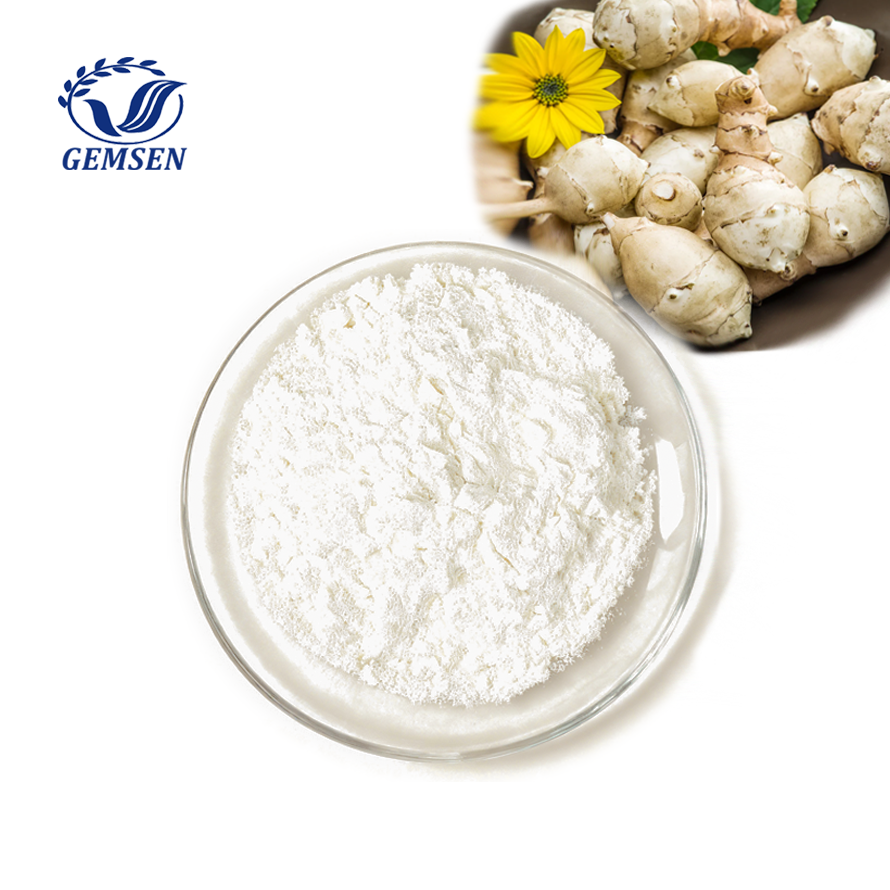
The popularity of inulin stems from a growing body of research confirming its role in supporting various aspects of health. Here are some of the top inulin benefits you should know:
One of the most exciting applications of inulin is in the field of weight management. Because it’s a soluble fiber, inulin absorbs water and expands in your stomach, creating a feeling of fullness that naturally reduces hunger and calorie intake. This effect can be a game changer for people struggling to control their appetite.
Moreover, inulin influences the gut bacteria responsible for processing nutrients and fat storage, positively affecting both fat metabolism and carbohydrate metabolism. This dual action helps your body burn fat more effectively while maintaining balanced blood sugar levels.
Constipation is a common problem affecting millions worldwide, often due to low fiber intake. Inulin helps by increasing stool bulk and softening it, making bowel movements easier and more regular. Because it acts as food for beneficial gut bacteria, it also promotes overall gut health, which can reduce inflammation and improve nutrient absorption.
Chronic inflammation is linked to many health issues, including autoimmune diseases, heart disease, and metabolic disorders. Studies suggest inulin can help reduce gut inflammation by supporting a balanced microbiome and promoting anti-inflammatory pathways. While research is ongoing, the inflammatory benefits of inulin make it a promising natural therapy.
Beyond digestion, inulin plays a role in metabolic regulation. By modulating carbohydrate metabolism, it helps stabilize blood sugar and improve insulin sensitivity—critical factors for preventing type 2 diabetes. It also positively influences protein and fat metabolism, supporting muscle maintenance and healthy cholesterol levels.
While inulin is generally safe for most people, it’s important to be aware of potential side effects. Because it ferments in the gut, initial consumption might cause gas, bloating, or mild abdominal discomfort. These symptoms usually subside as your gut adjusts.
The key to minimizing side effects is to start with small doses of inulin supplements and gradually increase your intake. Also, choosing high-quality inulin sourced from artichokes can reduce unwanted reactions due to its purity.
The demand for inulin supplements has surged in recent years as more people seek natural ways to improve health. These supplements come in various forms, including powders, capsules, and functional food additives.
When selecting an inulin supplement, consider:
Source: Preferably from natural plants like artichokes or chicory root.
Purity: Look for products with minimal additives for better effectiveness.
Dosage: Start low (2-5 grams daily) and adjust based on tolerance.
Using supplements alongside a fiber-rich diet is the best approach to maximize benefits.
Inulin application extends well beyond supplements. It’s widely used in the food industry as a fat replacer and texture enhancer in products like yogurt, ice cream, and baked goods. It also serves as a natural sweetener alternative, making it popular in health-focused food products.
Pharmaceutical companies incorporate inulin into digestive health formulations, and the animal feed industry uses it to promote livestock gut health. This diversity reflects the fiber’s versatility and growing importance.
The global market of inulin has expanded rapidly, fueled by rising consumer interest in natural health products and dietary fibers. Regions like North America and Europe lead the way, with Asia-Pacific quickly gaining ground due to increasing health awareness.
The preference for inulin sourced from artichokes and other natural plants drives product innovation, with companies investing heavily in research to develop better supplements and functional foods.
| Region | Market Growth Drivers |
|---|---|
| North America | High demand for dietary supplements and gut health products |
| Europe | Strong functional food market and health regulations |
| Asia-Pacific | Increasing disposable income and urban lifestyle awareness |
To summarize the key health applications:
| Health Concern | How Inulin Helps |
|---|---|
| Weight Loss | Promotes fullness, reduces appetite, improves fat and carbohydrate metabolism |
| Constipation | Increases stool bulk, improves bowel regularity, supports gut bacteria growth |
| Inflammation | Modulates gut microbiota to reduce inflammatory markers |
One of the most interesting aspects of inulin is its role in metabolic health:
Carbohydrate Metabolism: Slows glucose absorption, stabilizes blood sugar levels, and improves insulin response.
Protein Metabolism: Enhances amino acid absorption and utilization.
Fat Metabolism: Supports healthy cholesterol levels and promotes fat breakdown through microbiome interaction.
These effects collectively contribute to improved energy balance and overall metabolic wellness.
Inulin sourced from artichokes is considered one of the best due to its high purity and concentration, followed by chicory root.
Yes, they can support weight loss by promoting fullness and improving metabolism, but should be combined with a healthy lifestyle for best results.
Common side effects include bloating and gas, especially when starting or taking high doses. Gradual increase helps reduce discomfort.
It slows carbohydrate absorption, helping stabilize blood sugar and improve insulin sensitivity.
Generally, yes, but people with specific digestive issues should consult a healthcare professional.
In conclusion, inulin is more than just a fiber—it's a multi-benefit compound that supports digestive health, aids weight management, and helps regulate metabolism. With a rapidly growing market of inulin and increasing availability of high-quality inulin supplements—especially those derived from artichokes—it’s easier than ever to incorporate this powerful fiber into your diet.
Start slow, pay attention to your body, and enjoy the many health benefits inulin has to offer.


