


When people search for mineral supplements that are both effective and gentle on the body, zinc citrate often appears near the top of the list. But what is zinc citrate, why is it so widely discussed, and how does it compare with other zinc forms on the market? In this in-depth article, we will explore zinc citrate from scientific, nutritional, and market perspectives, combining data analysis, product comparison, and current trends to match real Google user search intent.
Zinc is an essential trace element involved in hundreds of enzymatic reactions, and zinc citrate is one of the most popular supplemental forms thanks to its balance of bioavailability, tolerability, and versatility. Whether you are interested in immune support, digestive health, or growth and development, understanding zinc citrate can help you make informed decisions.
Zinc Citrate is a zinc salt formed by combining zinc with citric acid. This chelated structure makes zinc citrate relatively stable and easy for the body to absorb. Compared to inorganic zinc salts, zinc citrate is often described as having good gastrointestinal absorption, making it a common choice in modern dietary supplements.
From a chemical standpoint, zinc citrate provides elemental zinc while minimizing irritation to the stomach lining. This characteristic is especially important for people who experience nausea or discomfort from other zinc forms.
Key characteristics of Zinc Citrate include:
Moderate to high bioavailability
Good water solubility
Generally mild taste compared to zinc sulfate
Suitable for tablets, capsules, powders, and syrups
Because of these features, zinc citrate supplement products are widely used across age groups, from adults to formulations designed for infants children growth.
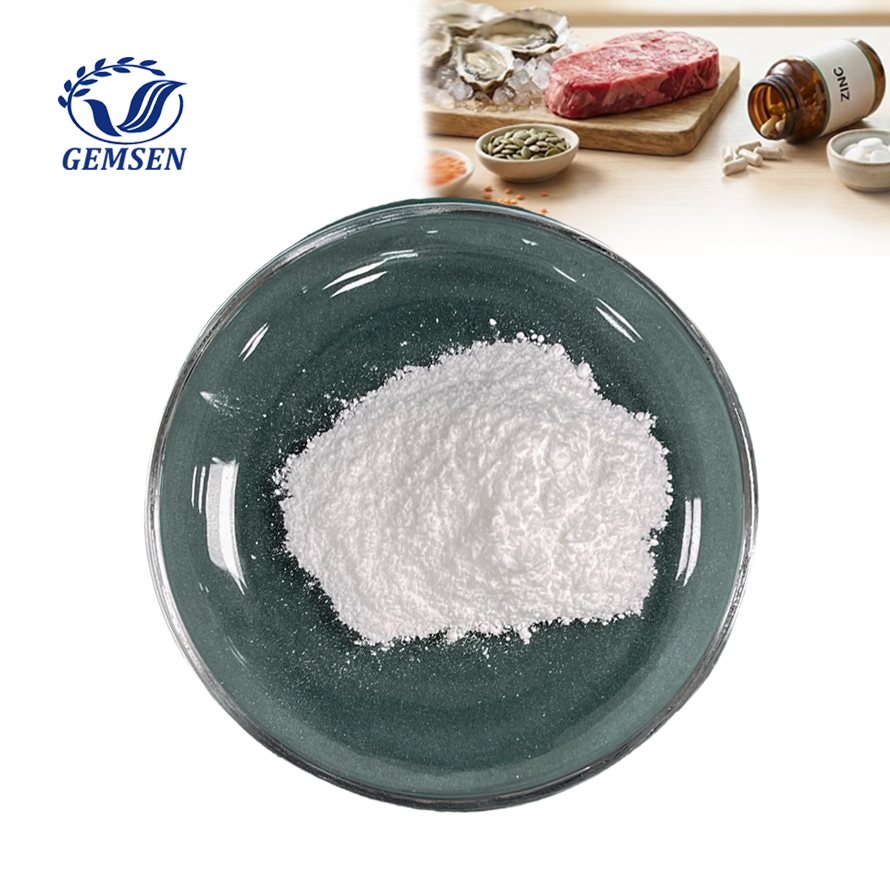
Before diving deeper into zinc citrate, it is important to understand why zinc itself is critical. Zinc plays a role in:
Enzyme activation
DNA synthesis
Protein metabolism
Cell division
Zinc deficiency can impair immune function, slow wound healing, and negatively affect growth and reproductive health. Using zinc citrate as a supplement is one of the practical ways to address zinc insufficiency in modern diets.
The topic of zinc citrate benefits & side effects is central to consumer decision-making. Let’s break it down clearly.
Zinc citrate offers a wide range of benefits when used appropriately:
Immune Function Support
Zinc is essential for both innate and adaptive immunity. Zinc citrate helps maintain normal development and activity of immune cells such as T-lymphocytes and natural killer cells. Regular intake of zinc citrate is often associated with reduced duration of common colds.
Improved Gastrointestinal Absorption
Compared to some zinc salts, zinc citrate demonstrates favorable gastrointestinal absorption, meaning more zinc reaches systemic circulation without excessive digestive upset.
Male Reproductive Health
Zinc is crucial for testosterone production and sperm quality. Zinc citrate is frequently used in formulations targeting male reproductive health, supporting fertility parameters and hormonal balance.
Support for Infants and Children
Adequate zinc intake is vital for physical and cognitive development. Carefully dosed zinc citrate supplement products are commonly used to support infants children growth, especially in regions where dietary zinc intake is low.
Skin and Wound Healing
Zinc supports collagen synthesis and tissue repair. Zinc citrate is sometimes recommended for acne management and post-injury recovery.
While zinc citrate is generally well tolerated, overuse or improper dosing can lead to side effects:
Nausea or mild stomach discomfort
Metallic taste
Headache in sensitive individuals
Copper deficiency with long-term excessive intake
Understanding zinc citrate benefits & side effects helps users balance efficacy with safety. As with any supplement, moderation and professional guidance are key.
A zinc citrate supplement can be found in many forms, each designed to meet different consumer needs.
Tablets and capsules
Chewable tablets
Oral powders
Liquid syrups for children
| Population Group | Typical Daily Zinc Intake (Elemental Zinc) |
|---|---|
| Adults | 8–15 mg |
| Pregnant women | 11–13 mg |
| Children | 3–10 mg (age-dependent) |
When choosing a zinc citrate supplement, it is important to check the label for elemental zinc content rather than total compound weight.
The zinc citrate application landscape extends beyond dietary supplements.
Pharmaceutical Products
Zinc Citrate is used in lozenges, oral rehydration salts, and pediatric syrups.
Functional Foods and Beverages
Due to its relatively neutral taste, zinc citrate is added to fortified drinks, cereals, and nutrition bars.
Clinical Nutrition
Hospitals and clinics use zinc citrate in enteral nutrition formulas because of its reliable gastrointestinal absorption.
Animal Nutrition
Zinc Citrate is also applied in feed formulations to support growth and immunity in livestock.
One of the most searched comparisons is zinc citrate vs zinc gluconate. Both are popular, but they have distinct differences.
| Feature | Zinc Citrate | Zinc Gluconate |
|---|---|---|
| Bioavailability | Moderate to high | Moderate |
| Taste | Mild | Slightly bitter |
| Gastrointestinal tolerance | Generally good | Good |
| Common use | Supplements, food fortification | Lozenges, supplements |
| Cost | Competitive | Slightly higher in some markets |
From a data analysis perspective, zinc citrate often appeals to consumers seeking balance between absorption, cost, and tolerability, while zinc gluconate dominates cold-relief lozenges.
Immune Function is one of the strongest drivers behind the global demand for zinc citrate. Research consistently shows that zinc deficiency compromises immune response, increasing susceptibility to infections.
Zinc Citrate supports immune health by:
Enhancing white blood cell activity
Regulating inflammatory response
Supporting antioxidant defense systems
These mechanisms explain why zinc citrate supplement sales surged during recent global health events, reflecting fresh market trends and consumer awareness.
Zinc concentrations are particularly high in male reproductive tissues. Zinc citrate contributes to:
Sperm motility and morphology
Testosterone synthesis
Prostate health
Clinical nutrition products often use zinc citrate as a core ingredient in male fertility formulas, highlighting its role in male reproductive health.
For growing bodies, zinc is indispensable. Zinc citrate is favored in pediatric products due to its gentle nature and predictable absorption.
Benefits for infants children growth include:
Support for height and weight gain
Cognitive development support
Improved appetite in zinc-deficient children
Public health programs in developing regions increasingly rely on zinc citrate supplement solutions to combat childhood malnutrition.
The market of zinc citrate has expanded steadily over the past decade. Key drivers include:
Rising demand for immune-boosting supplements
Growth in functional foods
Increased awareness of mineral deficiencies
| Factor | Impact on Market of Zinc Citrate |
|---|---|
| Aging population | Increased supplement use |
| Preventive healthcare trend | Higher demand |
| Pediatric nutrition programs | Expanded applications |
| E-commerce growth | Improved accessibility |
Data analysis indicates that zinc citrate is gaining market share compared to traditional inorganic zinc salts, especially in Asia-Pacific and North America.
Quality control is essential in the market of zinc citrate. Reputable manufacturers test for:
Heavy metal contamination
Accurate zinc content
Stability and shelf life
Consumers should look for third-party testing and compliance with food or pharmaceutical standards when choosing a zinc citrate supplement.
Zinc Citrate is used to support immune function, digestive health, male reproductive health, and infants children growth, as well as to prevent or correct zinc deficiency.
Yes, zinc citrate is known for good gastrointestinal absorption, making it easier on the stomach compared to some inorganic zinc salts.
The main benefits include immune support and improved zinc status, while side effects are usually mild and occur mainly with excessive intake.
In the zinc citrate vs zinc gluconate comparison, zinc citrate offers a balance of absorption, taste, and cost, while zinc gluconate is commonly used in lozenges.
Yes, when properly dosed, zinc citrate is widely used in products supporting infants children growth.
So, what is zinc citrate? It is far more than just another mineral compound. Zinc citrate stands out for its versatility, balanced absorption, and wide-ranging applications across health, nutrition, and industry. From supporting immune function and male reproductive health to playing a critical role in infants children growth, zinc citrate continues to gain attention in both scientific research and the global market of zinc citrate.
By understanding zinc citrate benefits & side effects, comparing zinc citrate vs zinc gluconate, and following market trends, consumers and professionals alike can make smarter, evidence-based choices. As preventive healthcare and nutritional awareness continue to rise, zinc citrate is well positioned to remain a key ingredient in modern health solutions for years to come.
