
Views: 0 Author: Site Editor Publish Time: 2025-10-23 Origin: Site


Osteoarthritis (OA) is one of the most common joint disorders worldwide, affecting millions of people. Characterized by joint pain, stiffness, and reduced mobility, osteoarthritis significantly impacts daily life and overall quality of life. As a result, many individuals seek safe and effective ways to manage symptoms, including dietary supplements. One of the most widely discussed supplements is glucosamine hydrochloride (GHCl), a naturally occurring compound believed to support joint health.
Osteoarthritis is a degenerative joint disease in which the protective cartilage covering the ends of bones gradually wears down. As cartilage deteriorates, bones may rub against each other, causing:
Pain and tenderness
Swelling and inflammation
Reduced joint flexibility
Stiffness, especially after periods of inactivity
OA most commonly affects knees, hips, hands, and spine, though it can occur in any joint. While conventional treatments such as non-steroidal anti-inflammatory drugs (NSAIDs), physical therapy, and surgery are commonly used, long-term medication use may lead to side effects, motivating many patients to explore alternative approaches like dietary supplements.
Glucosamine hydrochloride is an amino sugar naturally found in the human body, especially in cartilage, tendons, and synovial fluid. It plays a vital role in maintaining joint structure by:
Supporting cartilage repair and synthesis
Stimulating production of glycosaminoglycans, key components of cartilage
Enhancing the lubrication of synovial fluid
GHCl is usually derived from shellfish, such as shrimp, crab, or lobster shells, and is widely available as a dietary supplement in tablet, capsule, or powder form. It is distinct from glucosamine sulfate, though both compounds are often used for joint health.
Glucosamine hydrochloride (GHCl) is widely regarded for its potential to support joint health and alleviate osteoarthritis (OA) symptoms. Understanding how GHCl works can help patients and healthcare providers make informed decisions about supplementation. Its proposed mechanisms of action include several interconnected processes:
Cartilage Preservation
Cartilage is the smooth, resilient tissue that cushions joints and facilitates movement. In osteoarthritis, cartilage gradually breaks down, leading to pain, stiffness, and decreased mobility. GHCl provides essential building blocks, particularly for glycosaminoglycans and proteoglycans, which constitute the cartilage matrix. By supplying these components, GHCl may help maintain cartilage integrity, slow its degradation, and support the natural repair processes within joints. This is particularly important for weight-bearing joints such as the knees and hips, where cartilage loss can significantly impair daily activities.
Anti-Inflammatory Effects
Inflammation is a key contributor to joint pain and swelling in osteoarthritis. Research suggests that GHCl may reduce the production of pro-inflammatory cytokines within joint tissues. Cytokines like interleukin-1 (IL-1) and tumor necrosis factor-alpha (TNF-α) are known to accelerate cartilage breakdown and exacerbate pain. By modulating these inflammatory pathways, GHCl may decrease joint inflammation, resulting in reduced discomfort and improved joint function.
Synovial Fluid Support
Synovial fluid is a viscous liquid within joint cavities that lubricates cartilage and reduces friction during movement. GHCl has been shown to enhance both the viscosity and volume of synovial fluid, promoting smoother joint motion. Improved lubrication not only reduces pain during activity but also protects cartilage surfaces from further wear and tear, supporting long-term joint health.
Pain Relief
Beyond structural benefits, GHCl may influence how pain signals are transmitted. Over time, supplementation appears to reduce nociceptive signaling—the nervous system’s response to tissue damage—in affected joints. This can translate into measurable reductions in perceived pain, allowing individuals with osteoarthritis to engage more comfortably in daily activities, exercise, and physical therapy.
A variety of clinical trials have examined the efficacy of glucosamine hydrochloride in managing OA symptoms. For example, a double-blind, randomized study of patients with knee OA found that daily GHCl supplementation over 12 weeks led to significant improvements in pain scores and physical function compared to placebo. Other studies, particularly those conducted over 6–12 months, reported modest reductions in stiffness, improved mobility, and enhanced quality of life. While results can vary depending on factors such as age, disease severity, and joint location, the general consensus supports GHCl as a viable supplement for symptom management.
Although glucosamine sulfate has been more extensively studied, GHCl demonstrates comparable efficacy. Several trials comparing the two forms at equivalent glucosamine doses found similar reductions in joint pain and improved mobility. Additionally, GHCl may offer slightly higher bioavailability, meaning the body can absorb and utilize it more efficiently, which could be particularly beneficial for individuals with digestive sensitivities or absorption issues.
Meta-analyses of multiple clinical trials indicate that GHCl supplementation can be effective for mild-to-moderate osteoarthritis, especially in the knee. These analyses highlight that while GHCl may not provide immediate relief, consistent long-term use can reduce pain, improve joint function, and potentially slow disease progression. GHCl is therefore recommended as part of a comprehensive, long-term joint health strategy rather than a short-term solution for acute pain.
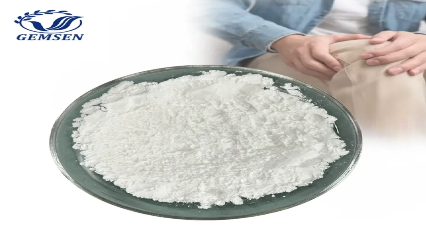
For osteoarthritis management, typical GHCl dosages are as follows:
Daily Dose: 1,500 mg, which can be taken as a single dose or split into two or three smaller doses throughout the day.
Duration: A minimum of 8–12 weeks is generally required to observe measurable effects. Longer-term use often provides sustained benefits.
GHCl is generally well-tolerated, with the most common side effects being mild gastrointestinal symptoms such as bloating, gas, or nausea. Individuals with shellfish allergies should exercise caution and consult a healthcare provider before starting supplementation, as most GHCl products are derived from shellfish.
For enhanced joint support, GHCl is often used in combination with other complementary supplements:
Chondroitin Sulfate: Supports cartilage elasticity and may help reduce further cartilage breakdown.
MSM (Methylsulfonylmethane): Provides anti-inflammatory and antioxidant effects, helping to protect joint tissues from oxidative stress.
Collagen or Hyaluronic Acid: Strengthens the joint matrix and improves synovial fluid lubrication.
These combinations can have synergistic effects, potentially improving overall joint function and comfort. Many healthcare providers recommend a multi-supplement approach for individuals with moderate osteoarthritis or multiple joint involvement.
While glucosamine hydrochloride (GHCl) is generally considered safe for most adults, it is important to be aware of potential precautions and situations where medical guidance is necessary. Understanding these factors can help ensure effective and safe supplementation.
Most GHCl supplements are derived from shellfish such as shrimp, crab, or lobster. Individuals with shellfish allergies should avoid these products to prevent allergic reactions, which may range from mild symptoms like itching or hives to severe reactions such as anaphylaxis. For those allergic to shellfish, alternative synthetic or plant-based glucosamine supplements are available and may be safer options.
Research on GHCl use during pregnancy and breastfeeding is limited. Although glucosamine is naturally occurring in the human body, supplementation during these periods has not been extensively studied. Therefore, pregnant or breastfeeding women should consult a healthcare professional before taking GHCl to evaluate potential risks and benefits.
GHCl may interact with certain medications, particularly anticoagulants such as warfarin. Some studies suggest that glucosamine could potentially enhance the effects of blood-thinning medications, increasing the risk of bleeding. Patients taking such medications should always discuss GHCl use with their healthcare provider and may require monitoring of coagulation parameters during supplementation.
Individuals with chronic conditions such as diabetes, high blood pressure, or kidney and liver disorders should exercise caution. While GHCl is generally safe, underlying health conditions may influence its metabolism or interact with other treatments. Healthcare guidance ensures proper dosing and minimizes the risk of adverse effects.
Start Slowly: Begin with the recommended dosage and monitor for any side effects.
Monitor Symptoms: Keep track of gastrointestinal discomfort or allergic reactions, adjusting dosage or discontinuing use if necessary.
Consistent Timing: Take GHCl at the same time each day to maintain steady levels in the body, enhancing efficacy.
By following these precautions and consulting healthcare professionals when necessary, individuals can safely integrate GHCl into a comprehensive joint health regimen. Combined with lifestyle strategies such as exercise, weight management, and a balanced diet, GHCl supplementation can provide a holistic approach to supporting joint function, reducing pain, and improving mobility over the long term.
Glucosamine hydrochloride is a scientifically supported dietary supplement that can help manage osteoarthritis symptoms and support joint health. While it is not a cure for OA, it offers:
Mild-to-moderate pain relief
Improved joint flexibility
Long-term cartilage support
For optimal benefits, GHCl should be used consistently, combined with a healthy lifestyle, and integrated into a broader joint health plan.
For individuals or healthcare providers looking for high-quality glucosamine hydrochloride, Nanjing Gemsen International Co., Ltd. offers premium-grade GHCl suitable for dietary supplements, nutraceuticals, and pharmaceutical applications. Their products meet international quality standards and are trusted by industry professionals. Learn more or contact them for sourcing information and product inquiries.


