
Views: 0 Author: Site Editor Publish Time: 2025-12-02 Origin: Site


Understanding the role of L-Choline Bitartrate is becoming increasingly important as more consumers search for nutritional strategies that support cognitive health, metabolism, and cellular balance. This compound—commonly used in modern formulations—serves as a stable and reliable form of L-Choline, an essential nutrient required for hundreds of biological reactions. As research evolves, questions such as what is choline bitartrate, how it functions, and whether supplementation is necessary have become central to wellness discussions.
Because many people today fail to obtain sufficient choline nutrient intake from food alone, interest in supplemental forms has grown sharply. Among these, L-Choline Bitartrate remains the most widely used and cost-efficient option for functional nutrition, supported by ongoing studies in brain development, liver health, and metabolic support.
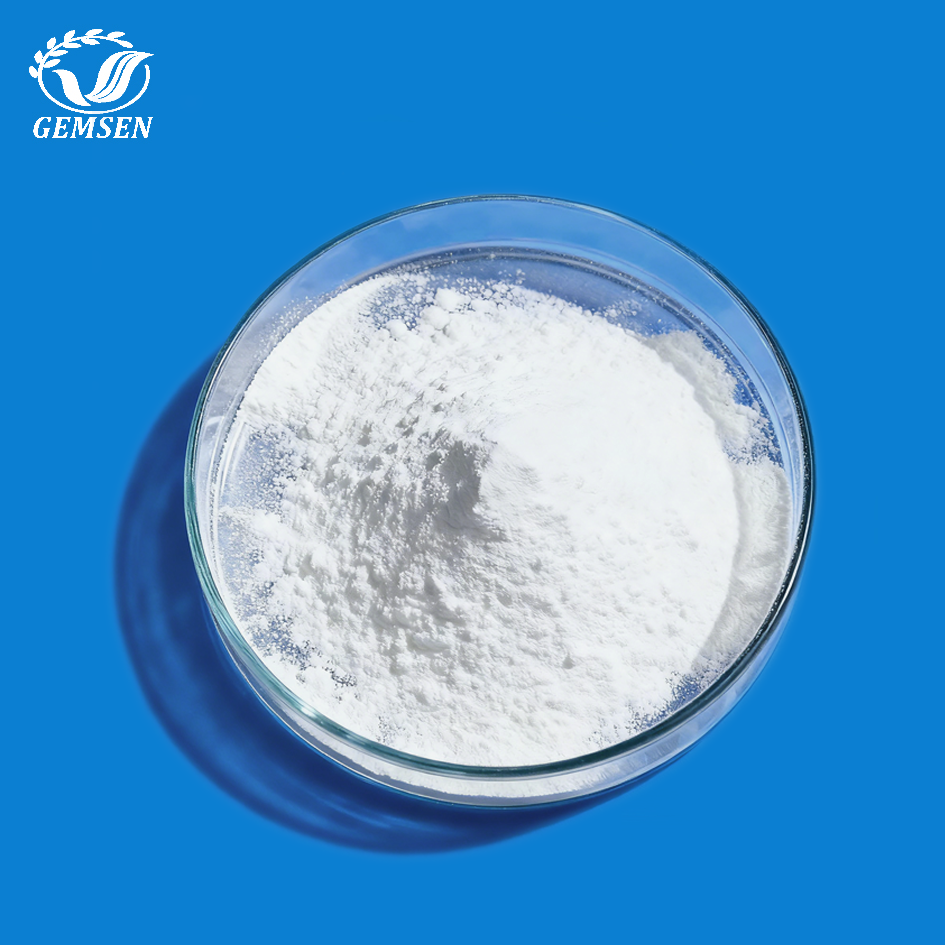
For manufacturers and formulators, high-purity raw materials play an essential role. One widely used source is Gemsen’s professionally produced L-Choline Bitartrate supplement ingredient, recognized for its consistency and suitability in high-performance nutritional products.
At its core, L-Choline Bitartrate is a combination of choline and tartaric acid. This structure helps stabilize the molecule and improves usability in nutritional formulations. As a form of Choline Bitartrate, it provides a concentrated amount of choline that the body can use to support essential processes such as:
Acetylcholine production
Formation of cell membrane phospholipids
Efficient lipid transport
Support of the methylation process
Liver protection and fat metabolism
These choline functions make this compound especially valuable in cognitive support formulas, metabolic blends, prenatal nutrition, and general wellness products. When discussing choline supplement strategies, L-Choline Bitartrate is frequently chosen for its balance of purity, affordability, and functionality.
Although choline occurs naturally in foods, intake is often insufficient. Even with widespread awareness of dietary choline sources, research shows that most adults consume far below recommended levels. Changing dietary patterns—reduced meat intake, fewer eggs, and greater reliance on convenience foods—have led to widespread choline deficiency risk.
Decline in consumption of egg yolk choline
Popularization of plant-forward diets
Increased nutrient demand during pregnancy or athletic training
Limited awareness of choline in food choices
Since choline plays a foundational role in brain development, memory, metabolic activity, and liver health, supplementation using L-Choline Bitartrate has become an increasingly common and evidence-based solution.
Choline is involved in several major metabolic and neurological pathways that influence daily functioning and long-term health.
| Biological Role | Explanation |
|---|---|
| Neurotransmitter synthesis | Choline enables the creation of acetylcholine, crucial for memory, learning, and muscle control. |
| Cell membrane formation | Essential for phosphatidylcholine and other cell membrane phospholipids. |
| Liver fat regulation | Prevents fatty liver by regulating lipid transport and fat metabolism. |
| Energy production | Supports mitochondrial activity and metabolic pathways. |
| Methylation process | Essential for DNA synthesis, gene regulation, and detoxification. |
Because these functions affect nearly every system in the body, choline is now considered a cornerstone nutrient for optimal health.
The physiological benefits of L-Choline Bitartrate reflect the role of choline itself, but with additional advantages due to its concentrated, stable form.
One of the most recognized benefits is its impact on memory and learning. Choline is directly involved in acetylcholine production, supporting:
Mental clarity
Faster information processing
Learning capacity
Age-related cognitive function support
This makes L-Choline Bitartrate a preferred ingredient in brain-focused blends designed to enhance cognitive function support in a non-stimulant, natural way.
The liver depends heavily on choline to manage fat transport and avoid accumulation. Supplementing with L-Choline Bitartrate provides:
Protection against non-alcoholic fatty liver concerns
Enhanced liver health and fat metabolism
Improved lipid breakdown and export
Support for detoxification processes
Because fatty liver has become increasingly common in modern lifestyles, this benefit is one of the strongest drivers for choline supplementation.
As a key component of cell membrane phospholipids, choline maintains structural integrity across all cells. Adequate choline intake promotes:
Effective nutrient flow
Cell signaling
Cell regeneration
Healthy membrane fluidity
This broad effect positions L-Choline Bitartrate as a foundational nutrient in longevity and general wellness formulas.
The methylation process is essential for hormone balance, cardiovascular function, DNA repair, and metabolic regulation. Choline acts as a methyl donor, supporting:
Healthy homocysteine levels
Gene expression
Detoxification processes
Hormonal stability
As biological research expands, methylation has become a trending concept, and choline’s role in this process has gained renewed attention.
Many consumers and formulators compare available options before selecting a choline supplement. The following table summarizes the main distinctions:
| Feature | L-Choline Bitartrate | Alpha-GPC | CDP-Choline | Phosphatidylcholine |
|---|---|---|---|---|
| Choline content | High | Very high | Moderate | Moderate |
| Cost efficiency | Excellent | Low | Medium | Low |
| Liver health support | Strong | Medium | Medium | Strong |
| Cognitive enhancement | Strong | Very strong | Strong | Moderate |
| Stability | High | Moderate | Moderate | High |
For balanced performance and affordability, L-Choline Bitartrate remains one of the most widely used forms in multi-benefit supplements.
Although supplementation is effective, obtaining choline from whole foods still plays an essential role.
| Food | Choline per Serving |
|---|---|
| Egg yolk choline | 115–125 mg |
| Beef liver | 350+ mg |
| Salmon | 60–70 mg |
| Soybeans | ~100 mg |
| Chicken breast | 70 mg |
| Broccoli | 55–60 mg |
Given that most adults require between 425–550 mg daily, it’s easy to see why supplemental Choline Bitartrate helps meet intake requirements.
Formulators continue to select this ingredient because it effectively supports multiple health areas while maintaining stability and cost efficiency.
Versatile for powders, capsules, liquids, and functional foods
Clean-label compatible
High purity and controlled quality
Suitable for cognitive, metabolic, and liver health formulas
Reliable for long-term product development
Gemsen’s L-Choline Bitartrate raw material is widely utilized due to its consistency and strict quality standards.
Yes, it is considered safe when consumed within recommended intake limits.
Yes. Through its role in acetylcholine production, it supports memory and learning functions.
Although possible, many people struggle to meet daily requirements without supplementation.
Absolutely. Choline is critical for liver health and fat metabolism.
It offers reliable performance, strong bioavailability, and excellent cost efficiency.
As interest in cognitive wellness, metabolic efficiency, and long-term vitality continues to grow, L-Choline Bitartrate stands out as a powerful multi-functional nutrient. Its role in brain health, liver support, and cellular maintenance makes it one of the most valuable additions to modern nutritional formulations.
With high-purity raw materials such as Gemsen’s L-Choline Bitartrate ingredient, manufacturers can confidently create products that meet growing consumer demand for effective, science-backed supplementation.


